Electric Vehicles: A New Hope for the Power Grid
Related Analysis
The power grid in the United States is facing unprecedented challenges, driven by increasing demand for electricity, aging infrastructure, and the growing frequency of extreme weather events. As the nation grapples with these issues, a surprising potential solution is emerging right in our driveways: electric vehicles (EVs).
Once seen merely as a cleaner alternative to gasoline-powered cars, EVs are now being recognized for their ability to serve a dual purpose. They can not only reduce carbon emissions but also support the power grid by providing backup power. This capability is becoming increasingly important as the demand for reliable and sustainable energy sources continues to rise.
EVs: A New Source of Energy
Electric vehicles, particularly those equipped with bidirectional charging capabilities, are capable of feeding energy back into the grid or directly into homes. This process, known as vehicle-to-grid (V2G) technology, allows EV owners to use their car batteries as backup power sources during outages or peak demand periods.
The potential of this technology is significant. According to recent data, if all the electric vehicles currently in use in the U.S. were to participate in V2G programs, they could collectively provide enough energy to power millions of homes for several hours. This is a game-changer in times of grid stress, such as during heatwaves or severe storms.
Enhancing Grid Resilience
The resilience of the power grid is a growing concern for utilities and policymakers. In recent years, several regions across the country have experienced prolonged power outages due to natural disasters and high demand. Integrating EVs into the grid can help mitigate these issues by providing an additional, distributed source of energy.
For instance, during a heatwave, when air conditioning units across the country are running at full capacity, the grid can become overburdened. In such scenarios, electric vehicles can discharge stored energy back into the grid, alleviating the pressure and reducing the likelihood of a blackout.
The Role of Policy and Innovation
To fully realize the potential of electric vehicles as a grid resource, supportive policies and technological advancements are crucial. Currently, several states are pioneering initiatives that encourage the adoption of V2G technology. These include incentives for EV owners who participate in grid support programs and investments in smart grid infrastructure.
Moreover, advancements in battery technology are making it more feasible for EVs to serve as reliable energy sources. Innovations that extend battery life and improve storage capacity are essential for the widespread adoption of V2G systems. As these technologies evolve, the integration of EVs into the grid will become more efficient and cost-effective.
Challenges and Considerations
Despite the promising potential of electric vehicles as a solution to grid challenges, several hurdles remain. One significant concern is the wear and tear on EV batteries resulting from frequent charging and discharging. Manufacturers are actively working to address these issues, but further research and development are needed to ensure battery longevity.
Additionally, the implementation of V2G technology requires significant infrastructure investments. Upgrading charging stations and developing the necessary software to manage energy flows between vehicles and the grid are essential steps. Collaboration between utility companies, automakers, and government agencies is critical to overcoming these challenges.
The Future of Energy
As the U.S. continues to transition to a more sustainable energy future, the role of electric vehicles is set to expand. With the right policies and technological advancements, EVs can become an integral part of the power grid, providing resilience and reducing reliance on fossil fuels.
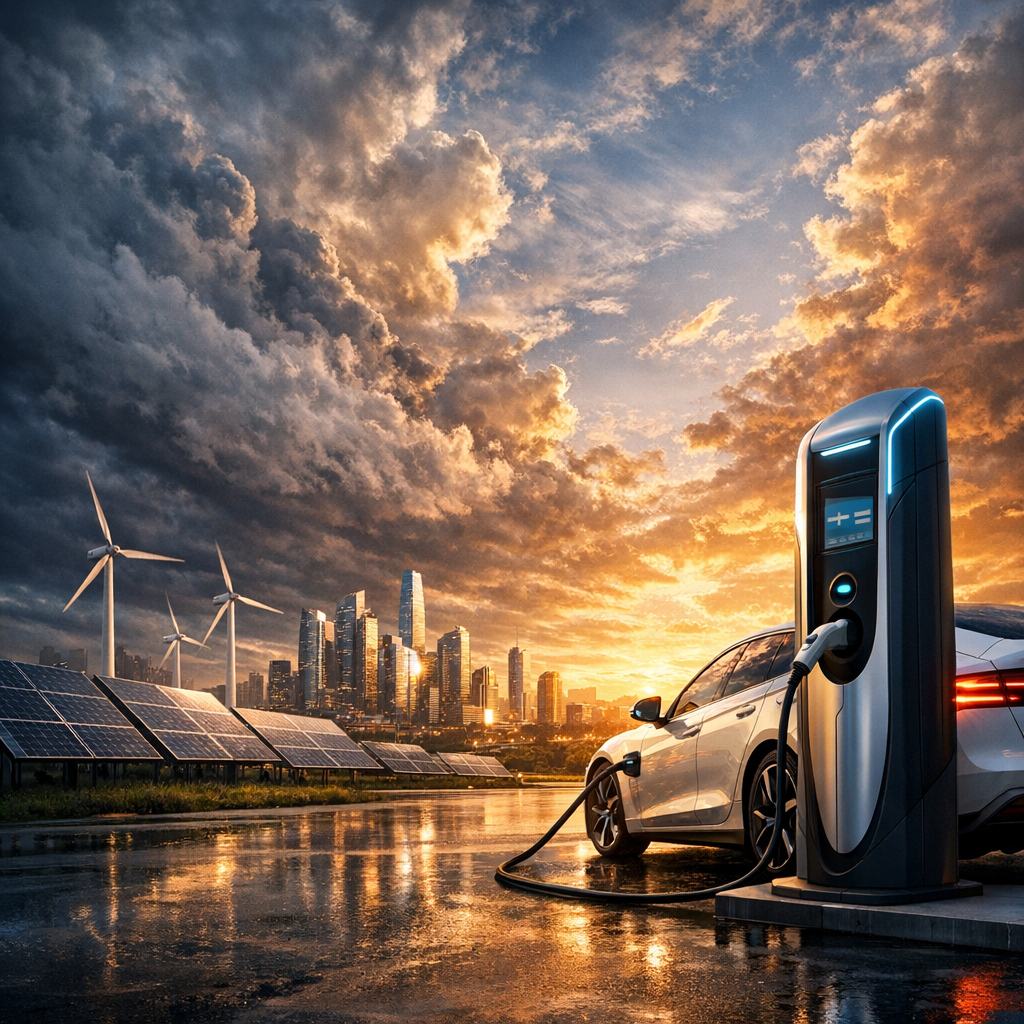
Looking ahead, the integration of renewable energy sources with V2G technology presents a compelling vision for the future. By harnessing the power of the sun and wind, and combining it with the energy storage capabilities of electric vehicles, a cleaner, more reliable energy landscape is within reach.
In conclusion, while challenges remain, the potential benefits of integrating electric vehicles into the power grid are too significant to ignore. As we move towards a more electrified world, embracing the dual role of EVs as both transportation and energy resources could be the key to solving the power grid's woes.