Can ‘Super Intelligence’ and a Non-Binding Safety Pact Solve AI’s Image Problem?
Related Analysis
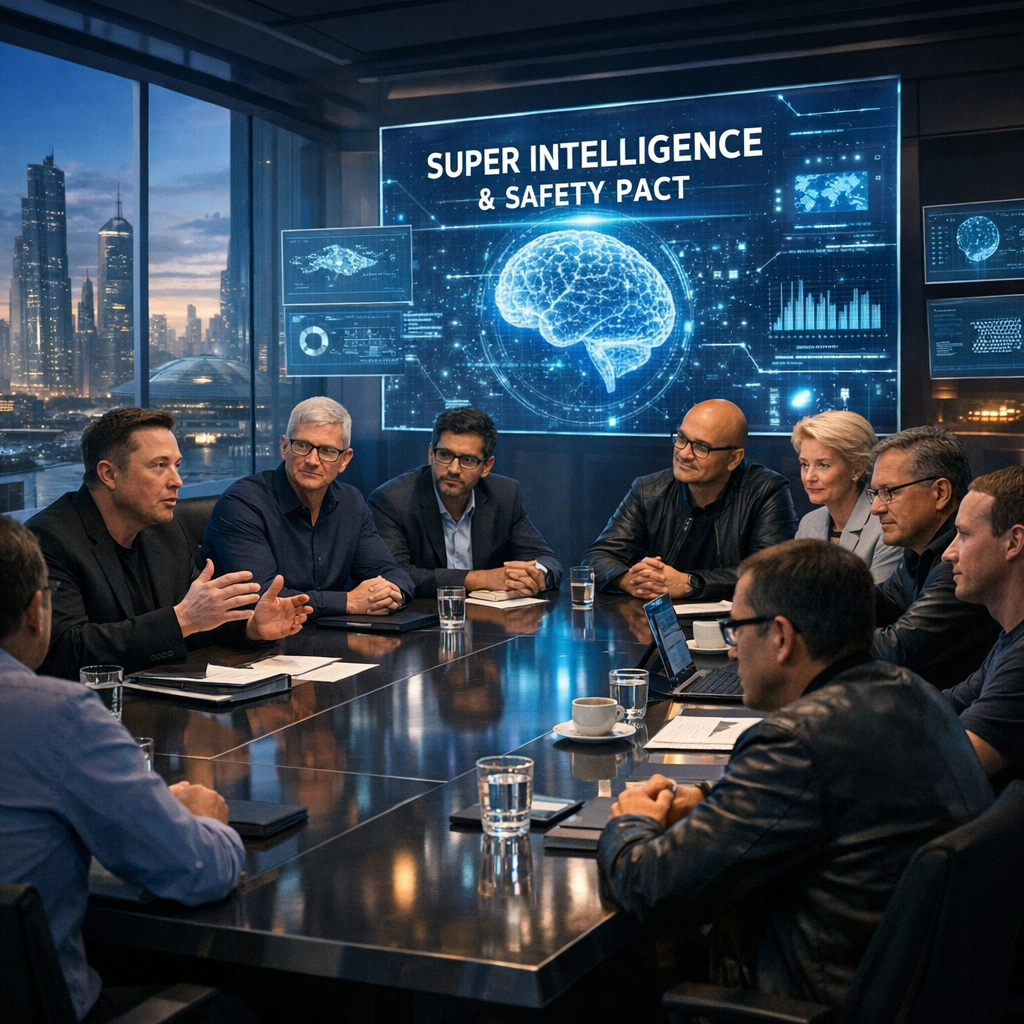
The landscape of artificial intelligence is rapidly evolving, and this week marked a pivotal moment in its trajectory. The White House convened a gathering of tech titans — Mark Zuckerberg, Jeff Bezos, Elon Musk, and Anthropic’s Dario Amodei, among others — to discuss the future of AI. The gathering resulted in a significant, albeit non-binding, safety pledge that President Donald Trump described as “morally binding.” This move is part of a broader effort to rebrand AI as 'super intelligence' and address the technology's public perception issues.
The Emergence of ‘Super Intelligence’
In recent years, AI has become a ubiquitous presence in various sectors, from healthcare to finance. However, the term 'artificial intelligence' has often been met with skepticism and concern. Fears of job displacement, privacy invasion, and ethical dilemmas have fueled a negative image, necessitating a rebranding effort. The White House's adoption of the term 'super intelligence' is an attempt to shift the narrative, emphasizing the potential benefits and advanced capabilities of these technologies.
‘Super intelligence’ implies a level of advancement and superiority, suggesting that AI systems are not just tools but are capable of independent learning and decision-making. This reframing aims to inspire confidence and highlight the transformative potential of AI, positioning it as a pivotal driver of innovation and progress.
Understanding the AI Safety Pledge
The AI safety pledge signed by the tech leaders is a commitment to ensure the responsible development and deployment of AI technologies. While the pledge is not legally binding, it serves as a public declaration of intent. President Trump emphasized its moral weight, suggesting that these companies have a responsibility to society to prioritize safety and ethics in their AI endeavors.
The pledge encompasses several key principles, including transparency, accountability, and collaboration. It encourages companies to share best practices, conduct regular audits, and engage with regulatory bodies to align their innovations with societal values. By adhering to these principles, companies can address public concerns and build trust in AI technologies.
Challenges and Criticisms
Despite the optimistic outlook, there are challenges and criticisms surrounding the initiative. The non-binding nature of the pledge has raised questions about its effectiveness in enforcing compliance. Critics argue that without legal repercussions, companies may lack the incentive to adhere to the guidelines strictly.
Moreover, the concept of 'super intelligence' itself is not without controversy. Some experts caution that it may create unrealistic expectations about the capabilities of AI, potentially leading to disappointment or misuse. Others worry that the focus on advanced AI could overshadow the ethical considerations associated with existing technologies.
The Role of the Trump Administration
The Trump administration has been proactive in positioning the United States as a leader in AI development. By fostering collaboration between the government and the private sector, the administration aims to accelerate innovation while addressing regulatory and ethical concerns. The executive order signed by President Trump underscores this commitment, outlining a framework for AI governance and emphasizing the importance of international cooperation.
This approach reflects a broader trend of governments worldwide recognizing the strategic importance of AI. As countries race to harness the potential of these technologies, establishing a regulatory framework that balances innovation and safety is crucial. The White House's efforts are a step towards achieving this balance, though the journey is far from over.
Conclusion: A New Era for AI?
As we move into the latter half of the decade, the conversation around AI is shifting. The introduction of 'super intelligence' and the AI safety pledge signals a new era, characterized by cooperation and a commitment to responsible development. While challenges remain, these initiatives represent a significant step towards addressing AI's image problem and fostering public trust.
The future of AI will depend on the collective efforts of governments, industries, and society. By embracing transparency, accountability, and collaboration, the tech industry can pave the way for a future where AI serves as a force for good. As the world watches, the actions taken today will shape the trajectory of AI for years to come.