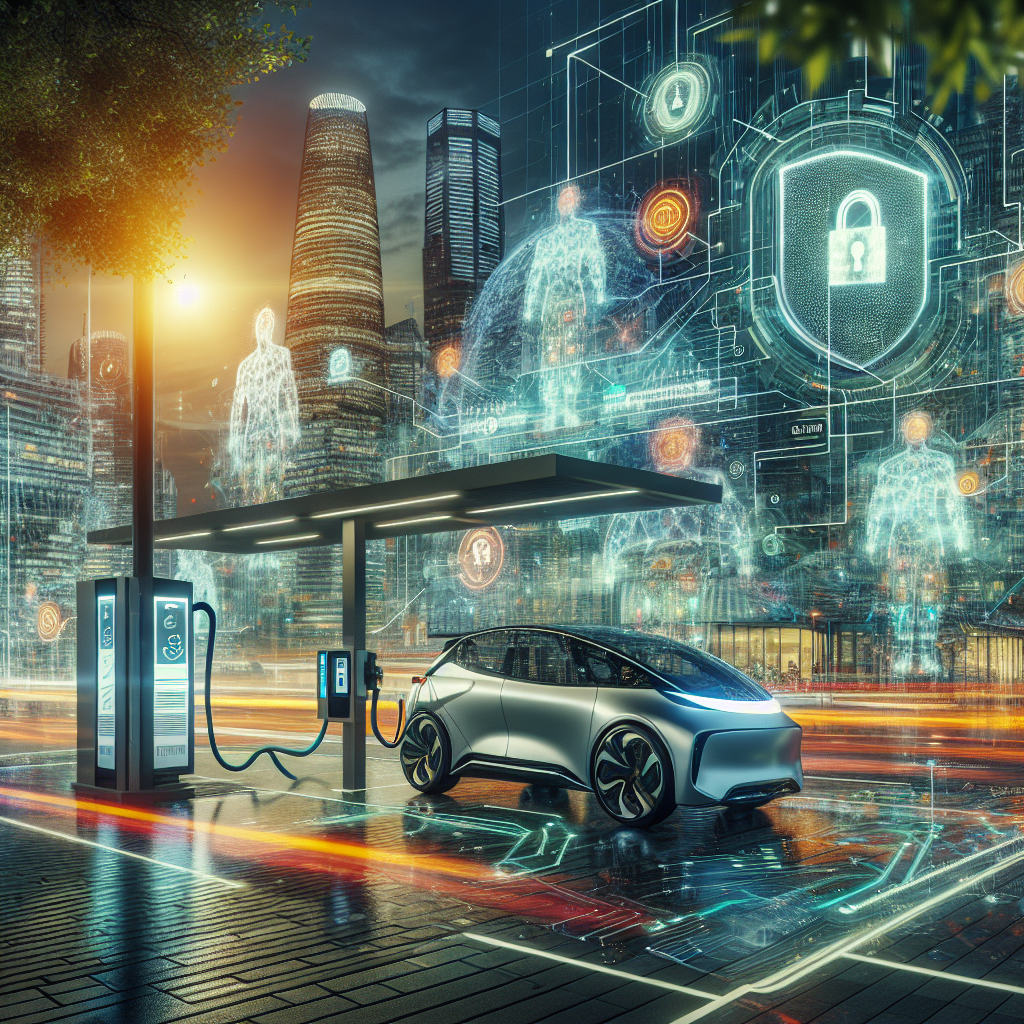
Cyber Threats, AI Innovations, and EV Triumphs: A Global Perspective
Related Analysis
In an increasingly interconnected world, the digital and physical realms often collide in ways that impact both security and technological progress. As we navigate these complex intersections, recent events highlight the persistent threats in cyberspace, groundbreaking achievements in artificial intelligence, and significant shifts in the automotive industry.
Recent alerts from U.S. agencies have raised concerns about Iranian hackers targeting critical infrastructure within the United States. These cyber threats emphasize the ongoing cyber warfare that transcends borders, posing significant risks to national security. The potential for disruptive effects is substantial, as these nefarious activities often aim to compromise essential services and infrastructure.
Meanwhile, in the realm of technology innovation, Matei Zaharia, co-founder of Databricks, has been recognized with a prestigious award from the Association for Computing Machinery. His contributions to the field of artificial intelligence, particularly in the context of research, underscore the rapid advancement of AI capabilities. Zaharia's perspective that Artificial General Intelligence (AGI) is already here, albeit misunderstood, invites a broader conversation about the current state and future potential of AI.
On another front, the automotive industry in the UK experienced a significant milestone with electric vehicles (EVs) achieving record-breaking registrations. The fuel crisis has catalyzed this shift, with Chinese brands like Jaecoo and BYD making substantial inroads into the market. This trend not only reflects a growing consumer preference for sustainable transportation options but also highlights the dynamic changes within the global automotive landscape.
Cybersecurity Threats: A Persistent Challenge
The threat landscape in cyberspace continues to evolve, with state-sponsored hacking representing a critical concern for nations worldwide. The recent warnings about Iranian hackers illustrate the persistent vulnerabilities that exist within critical infrastructure sectors, which include energy, transportation, and communication systems. These sectors are integral to everyday life and any disruption can have far-reaching consequences.
The motivations behind such cyberattacks vary, ranging from political objectives to economic gain. In the case of Iranian hackers, the intention may be to exert geopolitical pressure or to retaliate against perceived adversarial actions by the United States. Regardless of the motivation, the result is a heightened state of alert for cybersecurity professionals tasked with defending against these sophisticated threats.
AI Breakthroughs: Navigating the Path to AGI
Artificial Intelligence continues to be at the forefront of technological advancement, with researchers and innovators pushing the boundaries of what machines can achieve. The recognition of Matei Zaharia's work by the Association for Computing Machinery signifies a momentous achievement in the field of AI. Zaharia's contributions, particularly in developing platforms that enhance AI research, have facilitated significant progress towards more intelligent systems.
His assertion that AGI is already present, though misunderstood, challenges traditional perceptions of AI capabilities. AGI, which refers to machines with the ability to understand, learn, and apply intelligence across a wide range of tasks, is often depicted as a distant goal. However, Zaharia's insights suggest that elements of AGI may already be integrated into existing technologies, albeit not fully realized in the form of a singular, autonomous entity.
"AGI is not a monolithic entity waiting to emerge; rather, it represents a series of incremental advancements in AI technology." - Matei Zaharia
Electric Vehicles: A Surge in Popularity Amid Crisis
The automotive industry is undergoing a transformative phase, driven by a combination of environmental concerns and economic factors. In the UK, the recent fuel crisis has accelerated the adoption of electric vehicles, marking March as the best month on record for EV registrations. This surge is indicative of a broader shift towards sustainable mobility solutions, with consumers increasingly prioritizing environmental impact in their purchasing decisions.
Chinese automotive brands Jaecoo and BYD have capitalized on this trend, achieving significant sales figures and expanding their presence in the UK market. Their success underscores the competitive landscape of the EV industry, where innovation and adaptation to consumer demands are key to capturing market share. As more countries adopt stringent emissions standards, the momentum behind electric vehicles is expected to continue growing.
The convergence of these diverse developments—cybersecurity threats, AI advancements, and EV proliferation—highlights the complex challenges and opportunities that define our modern world. Each represents a unique facet of the broader narrative of technological and societal evolution, underscoring the need for continued vigilance, innovation, and adaptation in the face of change.
As an investigative journalist, these stories serve as a reminder of the interconnected nature of global events and their impact on local contexts. The quest for security, knowledge, and sustainability remains at the heart of these discussions, driving the pursuit of solutions that will shape the future of our society.