Navigating the Shifting Landscape of US Tech and Innovation
Related Analysis
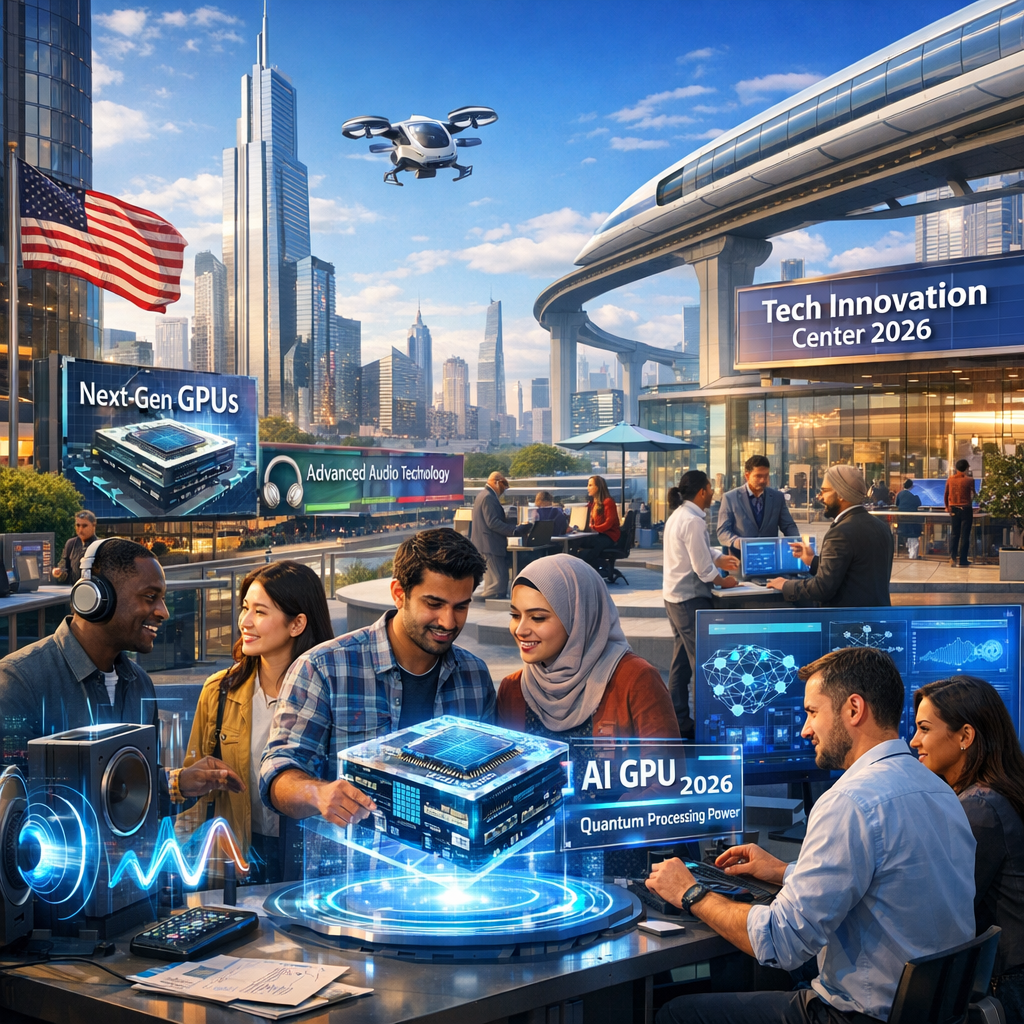
As we stand in 2026, the landscape of technology and innovation in the United States is undergoing significant shifts. Recent developments in immigration policy, emerging audio technologies, and changes in the graphics processing unit (GPU) market are all contributing to a dynamic environment. In this article, we explore these key areas and their implications for the future of US tech.
Impact of Immigration Policy on US Tech Industry
In a time of rapid technological advancement, the need for skilled professionals in the tech industry is paramount. However, recent changes in US immigration policies are raising concerns among industry leaders. Microsoft's president, Brad Smith, has been vocal about the potential negative impact of these policy changes, particularly those concerning green cards for skilled workers.
Smith's critique focuses on the stance of certain policymakers, including JD Vance, whom he describes as "completely off base" regarding immigration's role in tech innovation. The irony, Smith points out, is that many of the Trump administration's award holders for innovation were immigrants themselves, highlighting the crucial contributions of foreign-born talent to American technological progress.
"The strength of the US tech industry has long been its ability to attract the best and brightest from around the world. Limiting this will not only stifle innovation but also hinder competitiveness on a global scale," Smith asserted in a recent interview.
As the debate continues, companies are increasingly looking for ways to navigate these challenges, whether through advocacy or by seeking talent in other regions. The outcome of this policy shift could have lasting repercussions on the industry’s growth and global standing.
Revolutionizing Sound: Sonic Lamb's Innovative Headphones
In the realm of consumer electronics, Sonic Lamb is making waves with its revolutionary Beyond headphones. These headphones promise to redefine the audio experience by delivering bass through the skin rather than merely the ears. This innovative approach allows for what Sonic Lamb describes as 'visceral sound', providing listeners with a more immersive and tactile experience.
The technology behind these headphones involves transmitting low-frequency pulses through the skin, creating a sensation that traditional headphones cannot replicate. This advancement not only enhances the listening experience but also represents a significant leap forward in audio technology.
As immersive audio becomes increasingly important in gaming, virtual reality, and entertainment, such innovations are likely to gain traction. Sonic Lamb's approach could set a new standard for audio devices, offering a unique selling point in a crowded market.
Navigating the GPU Market: Concerns Over Nvidia's GeForce Range
In the graphics processing unit (GPU) market, changes are afoot that have left consumers and industry observers alike speculating about the future. Nvidia's RTX 5090 graphics card, part of the popular GeForce range, has seemingly vanished from the market, raising concerns about the company's strategy moving forward.
As cloud gaming continues to grow in popularity, there is speculation that Nvidia may be shifting its focus in this direction. The potential move away from physical GPUs could signal a significant change in how gaming and high-performance computing are approached.
For consumers, the disappearance of the RTX 5090 raises questions about availability, pricing, and the direction of the market. While cloud gaming offers many advantages, such as lower hardware costs and accessibility, it also presents challenges, including latency and internet dependency.
Industry experts are watching closely to see how Nvidia's strategy unfolds and what it means for the future of gaming technology. Will the company pivot towards a cloud-centric model, or will it continue to support traditional hardware solutions? The coming years will be pivotal in shaping the trajectory of this sector.
The Broader Implications for US Tech
These developments in immigration policy, audio technology, and the GPU market are not occurring in isolation. Together, they paint a picture of an industry in transition, facing both challenges and opportunities. As the US tech sector navigates these changes, its ability to adapt will be crucial in maintaining its position as a global leader in innovation.
With immigration policies potentially limiting the influx of skilled talent, companies will need to find new ways to attract and retain the expertise necessary for continued growth. Meanwhile, advancements in technologies like those from Sonic Lamb demonstrate that innovation is alive and well, with the potential to transform user experiences across various domains.
In the GPU market, the shift towards cloud gaming could redefine the gaming landscape, offering new opportunities and challenges for developers and consumers alike. As Nvidia and other companies explore these new avenues, the industry as a whole will need to balance the benefits of cloud-based solutions with the demands of traditional hardware enthusiasts.
Ultimately, the future of US tech will depend on its ability to embrace change, foster innovation, and navigate the complexities of a globalized world. As we move further into the 21st century, these capabilities will be more important than ever in ensuring the continued success and leadership of the US technology sector.