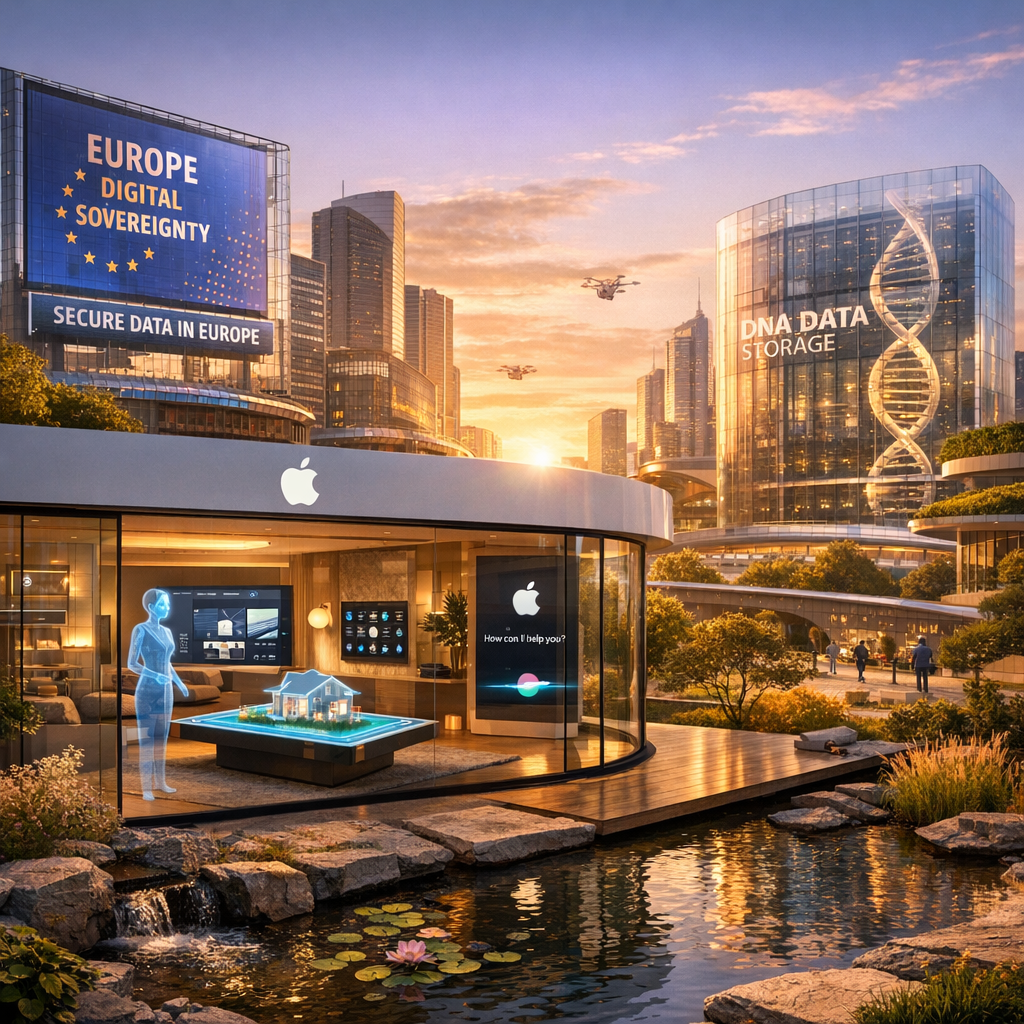
The Evolution of Tech: From Apple's Smart Home Innovations to Europe's Digital Sovereignty and DNA Data Storage
Related Analysis
As the digital age progresses, the intersection of technology and daily life becomes increasingly intricate. Recent developments from major players like Apple, Microsoft, and innovative startups such as Biomemory are shaping the future of how we interact with technology. This article delves into the latest announcements and shifts within the tech landscape, offering insights into the smart home revolution, Europe's move towards digital sovereignty, and groundbreaking advancements in data storage.
Apple's Leap into the Future of Smart Homes
In a recent showcase aptly named the ‘Welcome Home’ event, Apple unveiled a suite of new smart home devices that promise to enhance the seamless integration of technology into our living spaces. The event highlighted seven distinct products, each designed to elevate the user experience within the Apple ecosystem.
The new lineup includes an innovative smart thermostat, a home security camera with advanced AI features, and an updated version of the HomePod with superior sound quality and enhanced connectivity. Prices for these devices range from competitive entry-level offerings to premium models, ensuring accessibility for a broad spectrum of consumers. Set for release throughout the upcoming months, these products underscore Apple's commitment to pioneering smart home technology.
Apple's strategic focus on smart home devices aligns with their vision of creating interconnected environments that foster convenience and efficiency. By leveraging their robust ecosystem, Apple aims to provide users with intuitive control over their domestic spaces, thus redefining modern living.
Europe's Digital Sovereignty: A Shift Toward Open Source
In a significant move reflecting a broader trend across Europe, Dutch tax authorities have decided to cancel the rollout of Microsoft 365, opting instead to pursue open-source alternatives. This decision marks a notable step towards digital sovereignty, as European nations increasingly seek to reduce dependency on American software giants.
The choice to pivot away from Microsoft 365 stems from concerns over data privacy, security, and the desire to foster a more autonomous digital infrastructure. By embracing open-source solutions, the Netherlands aims to enhance its control over governmental data and promote transparency and innovation within its technological framework.
This trend is not isolated to the Netherlands. Across Europe, there is a growing momentum towards adopting open-source software as part of a broader strategy to ensure technological independence and safeguard national interests. As digital sovereignty becomes a key priority, we can expect further developments in this arena in the coming years.
Revolutionizing Data Storage with Biomemory's DNA Shield
In an era where data breaches and cyberattacks are becoming increasingly sophisticated, the need for secure data storage solutions has never been greater. Enter Biomemory's DNA Shield, a revolutionary approach to storing critical digital assets in synthetic DNA.
DNA Shield offers a unique offline storage method that is impervious to traditional cyber threats. By encoding data into synthetic DNA, Biomemory provides a medium that is not only highly durable but also compact and efficient. This cutting-edge technology allows for the preservation of vital information in a format that remains unaffected by technological advancements aimed at breaching conventional security measures.
The implications of DNA storage extend far beyond mere security. This technology represents a paradigm shift in how we think about data longevity and preservation. As digital information continues to grow exponentially, the ability to store vast quantities of data in a minimal physical space offers both economic and environmental benefits.
The Confluence of Innovation and Security
The advancements highlighted in these recent developments underscore a common theme: the pursuit of innovation coupled with a steadfast commitment to security and sovereignty. Whether through Apple's smart home initiatives, Europe's embrace of open-source solutions, or Biomemory's groundbreaking DNA storage, the tech industry is taking bold steps towards shaping a future where technology serves to empower and protect users.
As we move forward, it is crucial to remain vigilant in addressing the challenges and opportunities that accompany these technological advancements. The balance between innovation and security will continue to be a defining factor in the evolution of the digital landscape, guiding the decisions of companies and governments alike.
In conclusion, the current trajectory of technological development illustrates a dynamic interplay between cutting-edge innovation and the foundational need for security and autonomy. As these narratives unfold, they pave the way for a future where technology not only enhances our daily lives but also safeguards our most valuable assets.
"The future belongs to those who prepare for it today." — Malcolm X
As we stand on the brink of this new era, it is clear that the decisions made now will resonate for years to come, shaping the world in ways we are only beginning to imagine. Embracing these changes with foresight and responsibility will be key to unlocking the full potential of the digital age.