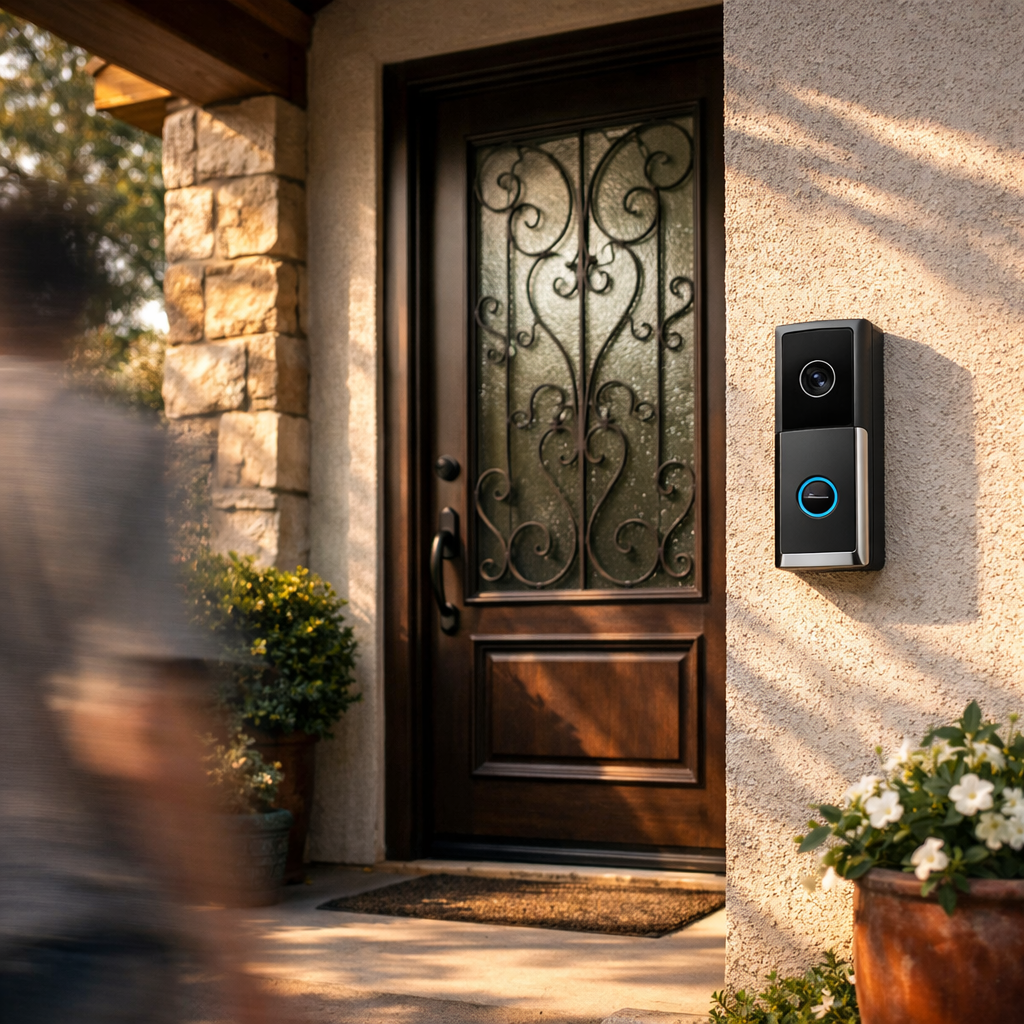
The Hidden Complexities of Video Doorbell Motion Detection
Related Analysis
In today’s rapidly advancing technological landscape, video doorbells have become a staple in enhancing home security. However, users often find themselves perplexed when their devices fail to alert them of approaching visitors, despite capturing them on camera. Understanding the intricacies behind motion detection in these devices is crucial for optimizing their usage and ensuring home security is not compromised.
The Core Technology Behind Motion Detection
Video doorbells primarily utilize a combination of passive infrared (PIR) sensors and camera-based motion detection algorithms. PIR sensors detect heat signatures, which are indicative of movement, while the camera analyzes changes in the visual field. This combination allows for a more accurate detection of motion, reducing false positives such as those caused by waving trees or passing cars.
However, the effectiveness of these detection methods varies significantly with distance. Typically, PIR sensors have a limited range, often between 5 to 10 meters. Beyond this, the sensitivity decreases, making it challenging for the device to detect motion accurately. As a result, users may notice that their video doorbell captures footage of individuals beyond this range without triggering an alert.
Factors Affecting Detection Range
While distance is a primary factor, several other elements can influence a video doorbell's ability to detect motion effectively. These include:
Installation Height and Angle: The positioning of the doorbell plays a significant role in its detection capabilities. Installing the device too high or at an incorrect angle can limit its field of vision and reduce the effectiveness of motion detection.
Environmental Conditions: Weather conditions such as rain, fog, or snow can interfere with both PIR sensors and camera visibility, leading to reduced detection accuracy. Similarly, direct sunlight can create shadows and heat spots, confusing the motion detection algorithms.
Obstacles and Interferences: Physical barriers like walls or large furniture items can obstruct the sensor's view. Additionally, electronic interference from nearby devices can affect the signal strength and clarity.
Beyond Distance: The Surprising Factors
Despite the technical specifications and environmental considerations, several unexpected factors can also influence motion detection:
Background Activity: A busy street or bustling neighborhood can lead to numerous false triggers. Adjusting the sensitivity settings or setting activity zones can help mitigate this issue.
Firmware and Software Updates: Regular updates are critical in maintaining and improving the functionality of video doorbells. Manufacturers often release patches that enhance detection algorithms or address bugs that may affect performance.
Optimizing Your Video Doorbell's Performance
To maximize the effectiveness of your video doorbell's motion detection capabilities, consider the following strategies:
Proper Installation: Ensure the device is installed at an optimal height and angle to cover the desired area. Most manufacturers recommend a height of about 1.2 to 1.5 meters for best results.
Regular Maintenance: Keep the camera lens clean and free from obstructions. Regularly check for firmware updates to ensure the software is up to date.
Customizing Settings: Utilize the device’s settings to adjust sensitivity levels and define activity zones. This customization allows the device to focus on specific areas, thereby reducing false alerts.
Conclusion
Understanding and addressing the factors that affect video doorbell motion detection can significantly enhance its performance. By considering both the technical and environmental aspects, users can ensure their devices operate at peak efficiency, providing reliable security coverage for their homes. As technology continues to evolve, staying informed and proactive about these factors will be key in leveraging the full potential of video doorbell systems.