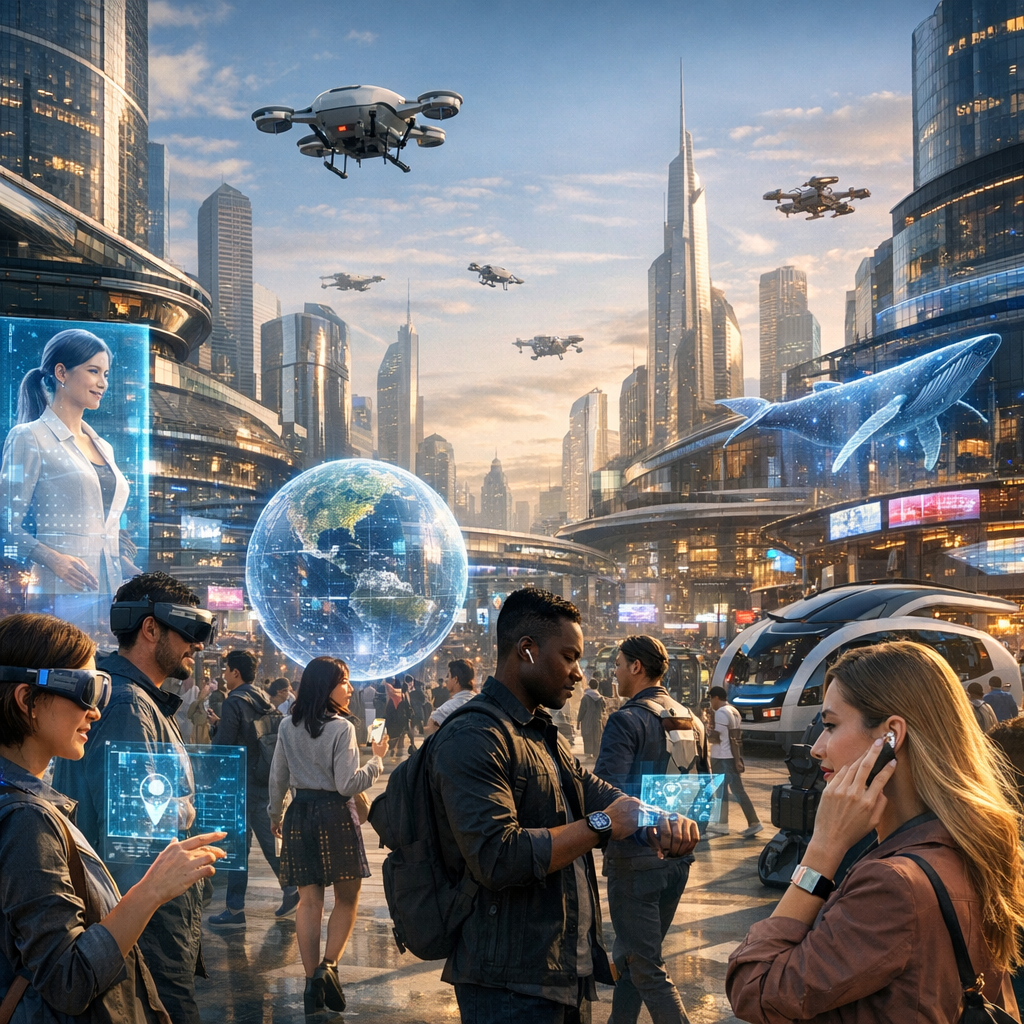
Technological Advancements and Societal Impacts: A Closer Look
Related Analysis
As we stand in October 2026, the intersection of technology and society presents a fascinating tableau. From gaming innovations to wearable tech, and the pervasive influence of artificial intelligence, these advancements are reshaping our everyday experiences. This article delves into the latest developments and their broader implications.
AMD's Next-Gen FSR 4.1: A Game Changer for Xbox
AMD is pushing the envelope of gaming technology with its latest FSR 4.1 upscaling technology, soon to be available on Xbox X/S and Ally devices. This move promises to revolutionize the gaming experience by enhancing visual performance and delivering superior graphics quality. Gamers are eagerly anticipating the potential of this technology to elevate their immersive experiences.
The introduction of FSR 4.1 is expected to optimize rendering techniques, allowing for higher frame rates without compromising on image quality. This advancement is particularly crucial for titles requiring high precision and smooth gameplay. As gaming consoles continue to vie for supremacy, AMD's contribution could significantly tilt the balance in favor of Xbox, providing it with a competitive edge in the gaming ecosystem.
Redefining Wearable Tech: Google's Fitbit Edge
Google has addressed a key concern with its Pixel Watch through the introduction of the Fitbit Edge. Known for their functionality, Google's watches have often been criticized for their bulky design. The Fitbit Edge, however, is redefining expectations with a sleeker, more ergonomic design that does not sacrifice performance.
The new design emphasizes comfort and usability, which is likely to appeal to a broader audience. The Fitbit Edge's streamlined form factor is complemented by advanced health-tracking features, making it a compelling choice for fitness enthusiasts and tech-savvy consumers alike. Google's strategic innovation in the wearables market could reshape consumer preferences, emphasizing practicality without compromising on technological sophistication.
AI in Society: A Call for Responsible Integration
While technology continues to evolve at a rapid pace, its societal implications cannot be overlooked. New York Mayor Zohran Mamdani has been vocal about the need for a more cautious approach to AI integration. His recent statements urge citizens to critically evaluate the impact of AI in various sectors, including education and the military.
The pervasive deployment of AI technologies in products and institutions raises questions about ethical standards and long-term consequences. Mayor Mamdani's call to action emphasizes the importance of informed discourse and responsible implementation, advocating for policies that prioritize human values and societal well-being.
"Nothing has to be inevitable," remarks Mayor Mamdani. "We have the power to shape the future of AI to serve humanity's best interests."
Conclusion: Navigating the Future of Technology
As we navigate the complexities of technological innovation, it is crucial to balance progress with responsibility. Developments like AMD's FSR 4.1 and Google's Fitbit Edge exemplify the potential to enhance our digital experiences, while the discourse on AI integration highlights the need for conscientious governance.
In the coming years, the challenge will be to harness these advancements in ways that enrich human life without compromising ethical standards. Encouraging dialogue and collaboration between technologists, policymakers, and the public will be essential in achieving a harmonious technological future.
As we look ahead, the role of investigative journalism remains paramount in uncovering the truths behind technological narratives, ensuring transparency, and fostering informed public engagement.