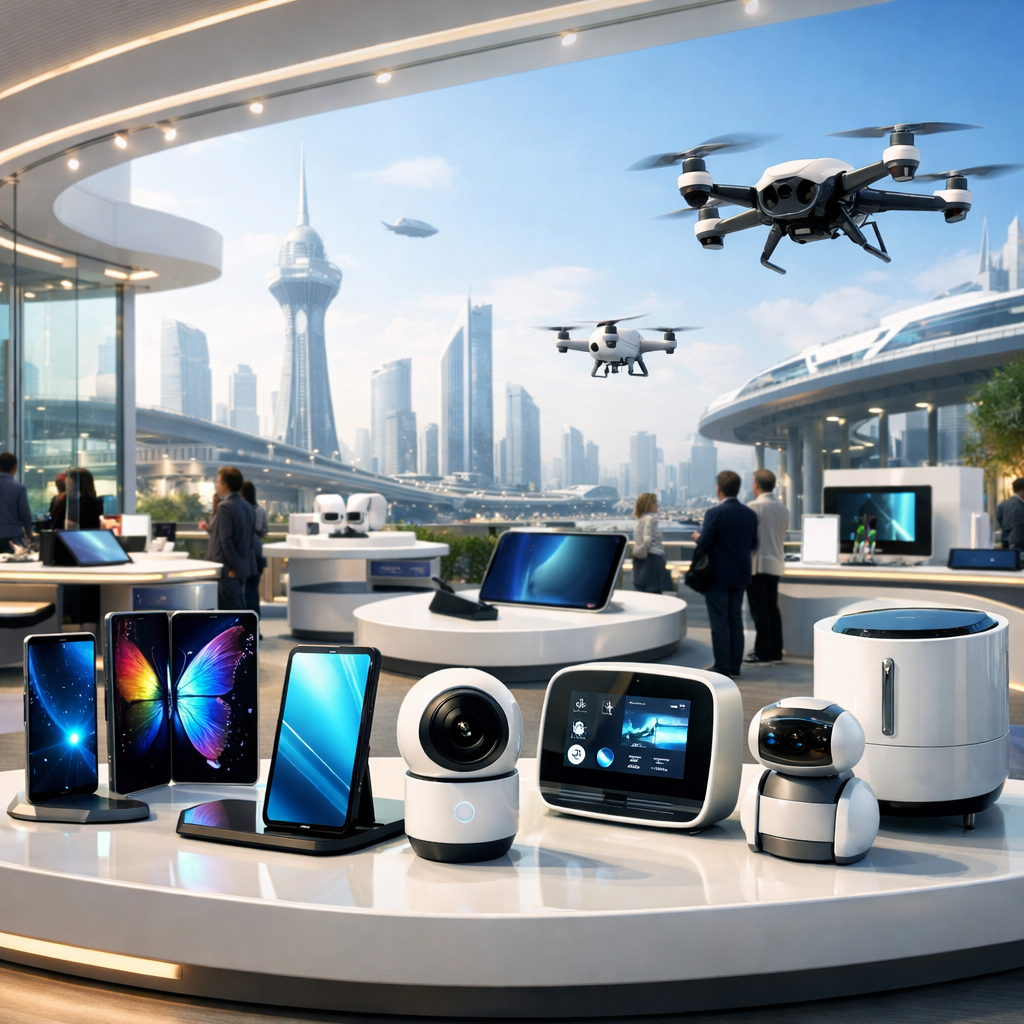
Exploring the Future of Consumer Technology and Autonomous Innovations
Related Analysis
In a world constantly driven by technological advancements, consumers are always on the lookout for the latest and greatest gadgets. The anticipation surrounding new product releases often leads to massive preorders, as seen in the case of Apple's latest innovation. However, as excitement builds, so does the wait time, sometimes leading to months of anticipation.
Apple's iPhone Duo: A Lesson in Patience
Apple's latest device, the iPhone Duo, has captured the imagination of tech enthusiasts. Touted for its cutting-edge features and sleek design, the Duo is set to redefine the smartphone experience. Yet, the demand has significantly outpaced supply, with current estimates pushing ship dates to late January 2027. This marks a record wait time for Apple, a brand already synonymous with high demand and limited availability at launch.
Given this scenario, consumers eager to get their hands on the Duo before the new year are advised to explore alternative purchasing strategies. Third-party retailers and authorized resellers might offer quicker availability, albeit at potentially higher prices. It’s a classic case of balancing patience with the desire for instant gratification, a theme prevalent in consumer technology markets.
Cracking the Code: NYT Connections and Daily Puzzles
For puzzle enthusiasts, the New York Times Connections game presents a daily challenge that stimulates the mind and offers a satisfying sense of accomplishment. With each new game, players are tasked with identifying connections between seemingly unrelated elements, a task that requires both creativity and logic.
October 22 marks game number 1229, and players are eagerly looking for hints and solutions to crack the code. The beauty of such puzzles lies in their ability to engage diverse audiences, from casual players to dedicated puzzle solvers. As the games continue to evolve, they offer not just entertainment, but also a daily mental workout that keeps players coming back for more.
Autonomous Innovations: The Future of Aviation
In the realm of military technology, advancements are not just about speed or firepower, but also about automation and precision. The US military's recent tests of self-flying cargo helicopters demonstrate a significant leap forward in autonomous aviation. These helicopters can autonomously navigate around sudden no-fly zones, showcasing an impressive capability to adapt to dynamic environments.
Airbus, a leader in aerospace innovation, has been at the forefront of this development. Utilizing Hivemind for navigation and Starlink for remote commands, these helicopters represent a future where human intervention is minimized, and efficiency is maximized. Such innovations not only enhance military operations but also pave the way for future civilian applications, from cargo delivery to disaster response.
The Intersection of Technology and Human Experience
As we stand on the cusp of 2027, the intersection of technology and human experience continues to evolve. Whether it’s through the anticipation of a new smartphone, the daily challenge of a puzzle game, or the groundbreaking advancements in autonomous aviation, technology shapes our world in profound ways.
For consumers and enthusiasts alike, staying informed and adaptable is key. As technology evolves, so too must our approaches to embracing it. Whether it requires patience in waiting for a new device or the persistence to solve a challenging puzzle, the journey is as rewarding as the destination.
In conclusion, the narratives of consumer technology and autonomous innovations highlight a future that promises both excitement and challenge. As these stories unfold, they remind us of the possibilities that lie ahead and the ingenuity required to navigate an ever-changing landscape.