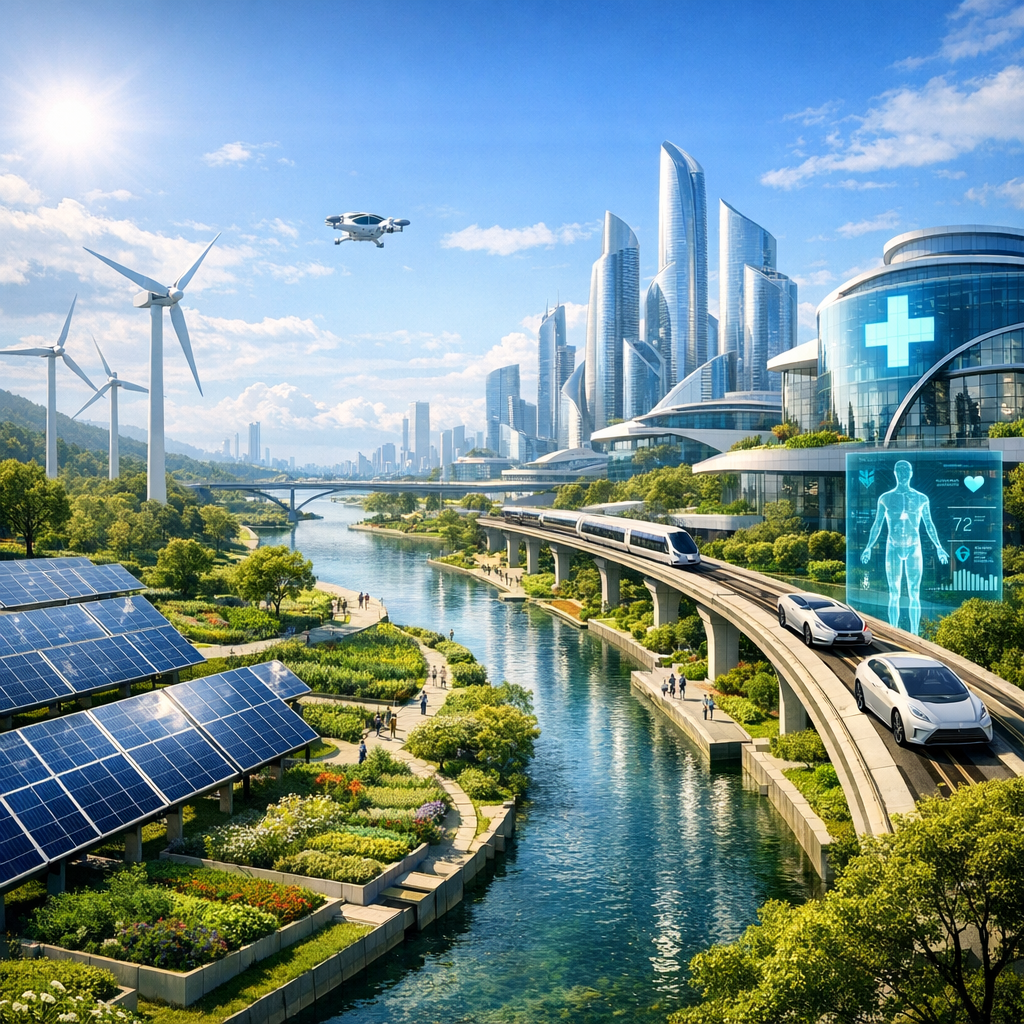
Innovations and Challenges: A Glimpse into the Future of Technology and Climate
Related Analysis
As the world steps into the future, the confluence of technology, climate strategies, and medical advancements is reshaping our global landscape. Recent developments in these sectors provide a snapshot of what lies ahead, highlighting both the potential and the challenges of innovation.
Interactive Technology in Everyday Life
The integration of interactive technology into our daily routines has become seamless, with advancements continually enhancing user experience. A recent addition to this trend is the introduction of Gemini in Google Maps via CarPlay. This feature, accessible by simply tapping a new icon, allows users to engage in real-time conversations, providing interactive assistance and a more personalized navigation experience. This step forward not only represents technological growth but also underscores the increasing importance of AI in enhancing user interfaces.
Geoengineering: A Double-Edged Sword
As climate change continues to pose significant challenges, the exploration of geoengineering as a temporary solution has gained traction. A recent simulation focused on solar geoengineering has sparked discussions about its potential implications. While this approach could potentially buy time against the adverse effects of climate change, it also raises concerns about its geopolitical ramifications. The simulation revealed potential risks, including the possibility of triggering an arms race, as nations might leverage weather manipulation as a strategic advantage. This underscores the need for careful consideration and international cooperation before any large-scale deployment.
AI and Medical Advancements
The intersection of artificial intelligence and medical technology is yielding promising outcomes, particularly in the realm of disease detection and treatment. OpenAI's recent investment in a startup that utilizes brain implants to detect cancer is a testament to the growing interest in harnessing brain data for medical advancements. This strategic move is part of a broader trend where AI companies are increasingly venturing into healthcare, aiming to revolutionize diagnostic processes and improve patient outcomes. The integration of AI in medical research holds the potential to accelerate breakthroughs, providing new hope in the fight against complex diseases.
Conclusion: Navigating the Future
As we navigate through 2026, the interplay between technology, climate strategies, and healthcare innovations continues to shape our world. While these advancements offer unprecedented opportunities, they also present challenges that require thoughtful consideration and collaboration across sectors. The path forward will depend on our ability to harness these innovations responsibly, ensuring they contribute to a sustainable and equitable future for all.
"The challenge is not just in the invention, but in the application of these technologies in ways that benefit humanity as a whole." — Industry Expert
In conclusion, as these developments unfold, they remind us of the dynamic nature of progress and the importance of foresight in shaping a future that aligns with our global aspirations.