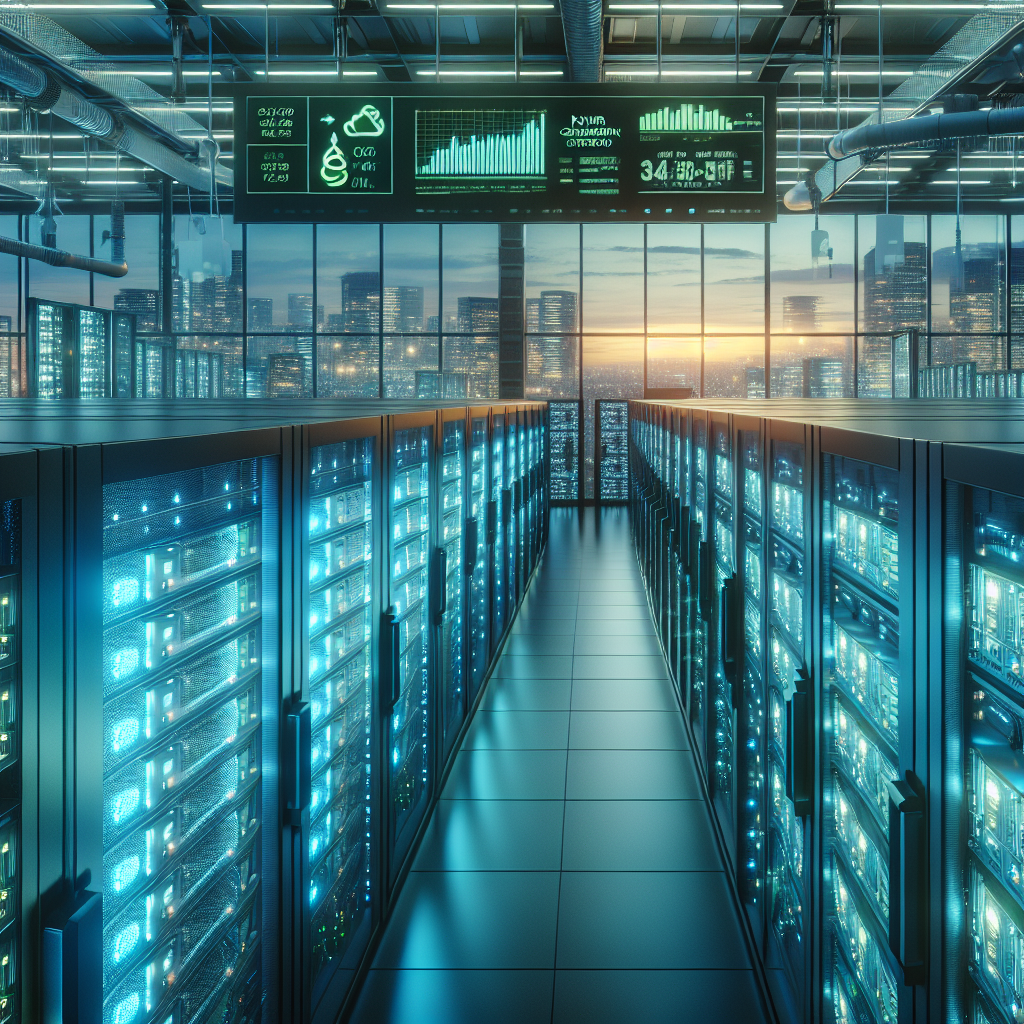
Understanding the Impact of Data Centers on Power Consumption
Related Analysis
Data centers have become the backbone of the modern digital world, serving as the crucial infrastructures that enable everything from cloud computing to hosting websites and managing big data. With the increasing reliance on digital services, the power consumption of data centers has come under scrutiny. Recently, U.S. Senators Josh Hawley and Elizabeth Warren have taken steps to address this issue by urging the Energy Information Administration (EIA) to gather detailed information about how data centers use power and how this affects the electrical grid.
The growing concern stems from the fact that data centers consume a significant amount of energy, contributing to higher electricity demands on the grid. This can lead to increased energy costs, potential environmental impacts, and challenges in energy management. Therefore, understanding the power usage of these facilities is crucial for both policy-making and the development of sustainable energy strategies.
Why Data Centers Matter
Data centers are pivotal in ensuring the smooth operation of digital services. They house servers, storage devices, and networking equipment required to process, store, and transmit data. As digital transformation continues to accelerate across various industries, the demand for data center services grows, leading to an increase in energy consumption.
According to various estimates, data centers contribute to approximately 1% of global electricity consumption. While this might seem like a small fraction, the concentration of energy usage in specific locations can place a significant burden on local power grids. Therefore, understanding and managing this energy consumption is essential for maintaining grid stability and promoting energy efficiency.
The Role of the Energy Information Administration
The role of the EIA in this context is to provide comprehensive data and analysis to help understand the energy dynamics associated with data centers. By collecting detailed information on power usage, the EIA can provide insights into how these facilities operate and their impact on the energy grid. This information is crucial for policymakers, energy providers, and data center operators to make informed decisions.
The call for transparency and accountability in energy consumption aligns with broader efforts to promote sustainable practices across industries.
Senators Hawley and Warren's initiative highlights the need for more granular data on energy usage patterns within data centers. This could lead to improved energy management practices, the development of energy-efficient technologies, and the implementation of policies that support sustainable energy use.
Challenges and Opportunities
While collecting data on energy consumption in data centers presents certain challenges, such as privacy concerns and the proprietary nature of some information, it also offers numerous opportunities. For instance, better data can drive innovation in energy-efficient technologies and operational practices, helping to reduce the overall energy footprint of data centers.
Moreover, the availability of detailed energy consumption data can facilitate the integration of renewable energy sources into data center operations. This aligns with global trends towards sustainability and the reduction of carbon emissions. By optimizing energy use, data centers can contribute to broader environmental goals and demonstrate leadership in energy management.
Future Implications
The push for transparency in data center energy consumption is part of a larger trend towards more sustainable and responsible energy use. As digital infrastructure continues to expand, the need for efficient and sustainable energy solutions becomes more pressing. By understanding and managing energy consumption in data centers, stakeholders can work towards a more balanced and sustainable energy future.
In conclusion, the initiative led by Senators Hawley and Warren to have the EIA gather detailed energy consumption data from data centers is a crucial step towards addressing the environmental and economic impacts of these facilities. By fostering transparency and accountability, this effort can pave the way for more sustainable practices and a more resilient energy grid.