Exploring the Intersection of AI and Creativity: Anthropic's Innovative Endeavors
Related Analysis
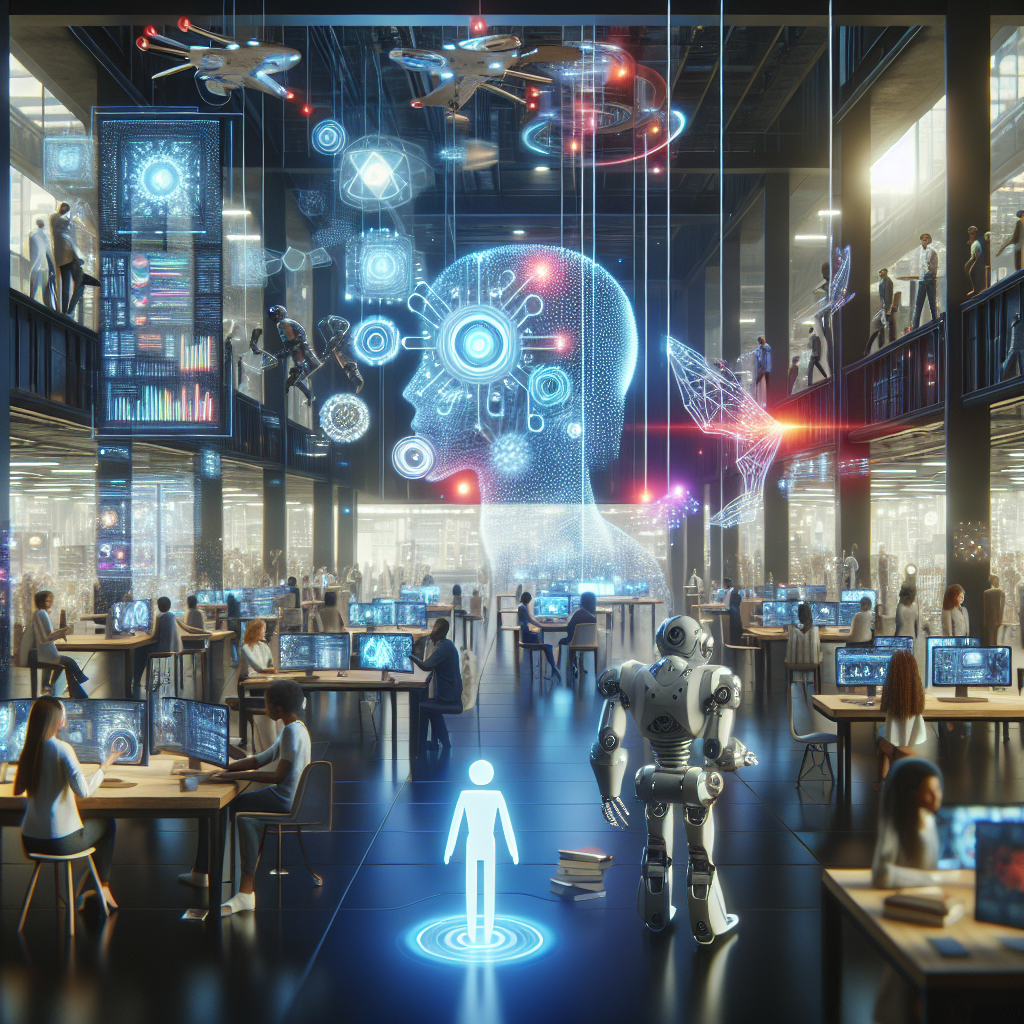
In the rapidly evolving world of artificial intelligence, companies are constantly seeking new ways to integrate AI into various industries to enhance productivity and creativity. Among these companies, Anthropic has emerged as a notable player with its groundbreaking initiatives aimed at revolutionizing how AI interacts with creative professions.
Anthropic's latest venture into the creative industry involves integrating its state-of-the-art AI, Claude, with major platforms such as Adobe and Blender. While AI cannot replace human taste or imagination, it can indeed open up new avenues for creative professionals, enabling them to push boundaries and explore innovative solutions.
By partnering with Adobe, Anthropic is facilitating a seamless blend of AI capabilities with Adobe's creative suite, offering artists and designers new tools to enhance their work. This integration aims to automate mundane tasks, allowing creatives to focus their efforts on more imaginative and artistic aspects of their projects.
Similarly, by collaborating with Blender, a popular open-source 3D creation suite, Anthropic is enabling 3D artists to leverage Claude's capabilities to streamline and enhance their workflows. This partnership is likely to bring about significant changes in how 3D content is conceptualized and developed, providing artists with unprecedented creative freedom and efficiency.
“Claude can't replace taste or imagination, but it can open up new ways of working.”
In addition to its advancements in the creative sector, Anthropic is also experimenting with innovative concepts in AI-driven commerce. In a recent bold move, the company created a test marketplace where AI agents acted as both buyers and sellers. This experimental marketplace allowed AI agents to strike real deals for tangible goods, involving real money transactions.
This initiative highlights the potential of AI in transforming traditional commerce by automating negotiations and transactions, ultimately increasing efficiency and reducing human intervention in routine processes. The experiment also raises intriguing questions about the future of online marketplaces and how AI might redefine these spaces.
While Anthropic continues to explore these groundbreaking applications of AI, other industries are also witnessing the influence of technology in unexpected ways. An interesting example is the impact of innovative hardware on productivity, as seen with Razer's Pro Type Ergo keyboard.
The Razer Pro Type Ergo keyboard, known for its split ergonomic design and plush wrist rest, is not only a boon for gamers but also a game-changer for office productivity. Its ergonomic features are designed to reduce strain during extended typing sessions, making it an ideal choice for professionals seeking comfort without sacrificing performance.
- Ergonomic design tailored for extended use
- Plush wrist rest for added comfort
- Seamless transition between gaming and professional environments
Such innovations in hardware demonstrate how technology continues to blur the lines between personal and professional use, offering solutions that enhance both work and leisure experiences. The ability to adapt gaming peripherals for office productivity showcases the versatility of modern technology and its potential to improve daily work routines.
In conclusion, Anthropic's initiatives in integrating AI with creative platforms and experimenting with AI-driven commerce represent significant steps forward in the application of AI across diverse fields. By pushing the boundaries of what AI can achieve, Anthropic is not only enhancing creative processes but also exploring new paradigms in commerce and productivity. As technology continues to evolve, these pioneering efforts could pave the way for a future where AI is seamlessly integrated into various aspects of professional and creative life, offering unparalleled opportunities for innovation and efficiency.